
Monday, August 24
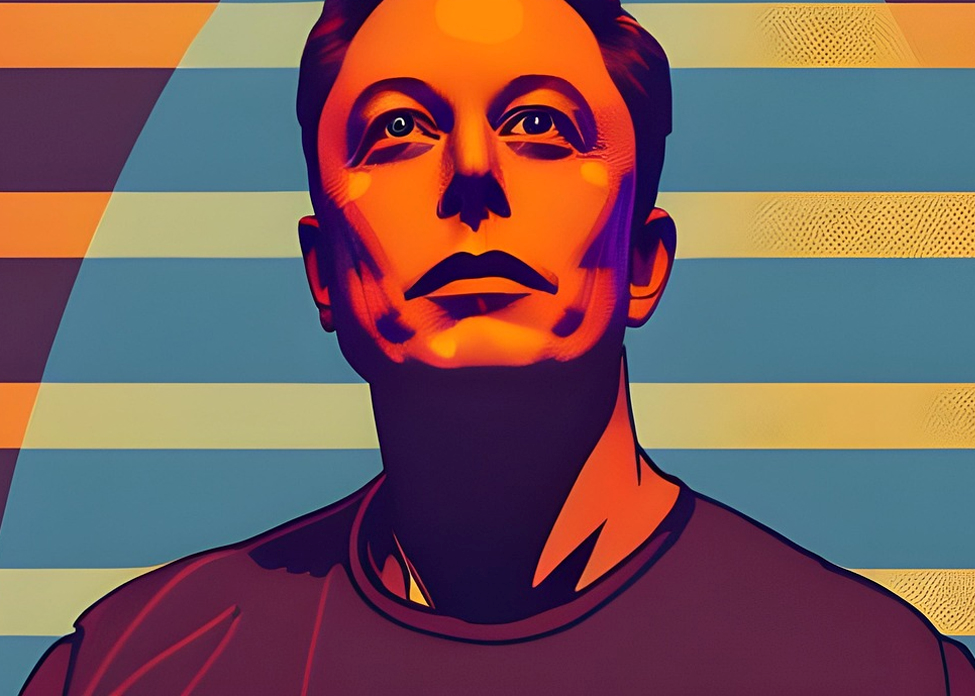
Earnings season is here again, with banks first reporting blowout earnings. The outperformance was driven by investment banking, specifically fees related to the SpaceX initial public offering.
JP Morgan Chase had a record quarterly profit – $21 billion. Goldman Sachs, a major backer of the SpaceX IPO, saw equity underwriting revenue jump 130%. Morgan Stanley, Bank of America, Citigroup, and Wells Fargo all beat consensus earnings estimates too.
It wasn’t just Elon Musk’s rocket/satellite/AI company that drove results. Merger and acquisition activity picked up as well.
Still, banks won on SpaceX going public. The company was valued at nearly $2 trillion at its IPO, and it raised a record setting $75 billion in cash. That’s more than four times the amount from the next largest American IPO (Visa in 2008).
SpaceX had a typical IPO pop in June. It started around $150, then jumped 50% higher. It went to the moon.
However, the average investor who bought shares after the stock went public has lost money. A month later, it was trading below the IPO price. For them, it’s been a round trip back to Earth.
IPOs typically fall after the initial thrust. SpaceX’s decline could continue as insider shares are unlocked for sale.
This is why we told people not to buy SpaceX. There are too many potential risks.
It’s being forced into passive funds and retirement accounts. It’s also the core of many leveraged single-stock funds.
This type of activity is what you see at market peaks.
Daniel A. White is an investment advisory representative of and provides advisory services through CoreCap Advisors, LLC. Daniel A. White & Associates and CoreCap Advisors are separate and unaffiliated entities.