
Lesson 2.1 — Understanding Your Social Security Statement
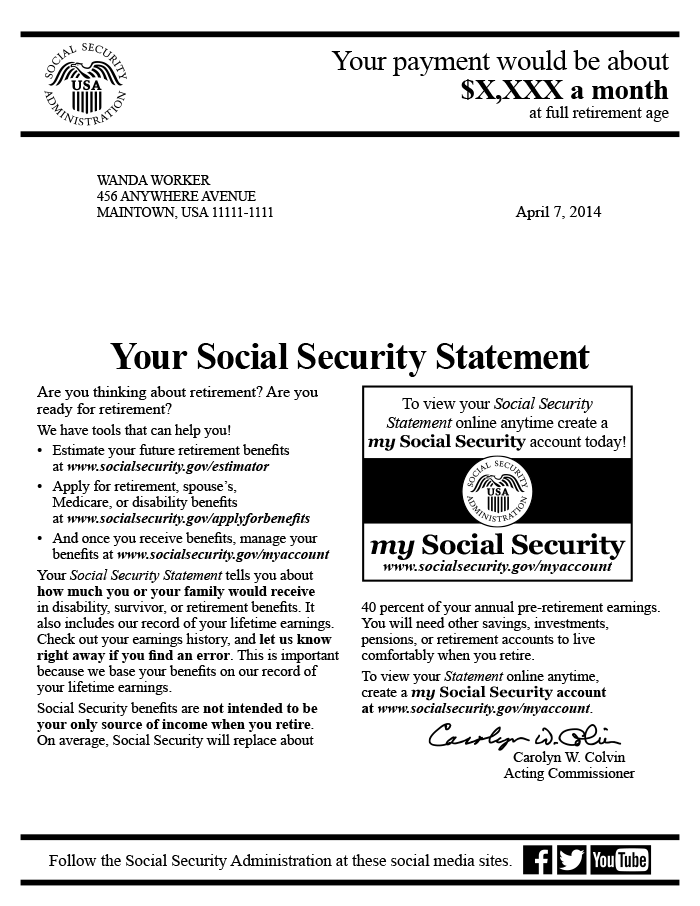 Your Social Security statement is one of the most important financial documents you own, yet many people overlook it or misunderstand what it contains. This lesson walks you through the key sections of the statement and explains how to interpret the information so you can better plan your retirement income strategy. Whether you access it online at SSA.gov or receive it by mail, this statement provides a detailed snapshot of your lifetime earnings, your estimated benefits, and the assumptions used to project your future income.
The first section to review is your Earnings Record, which lists your Social Security–taxed income for each year you worked. This record is crucial because Social Security uses it to determine your benefit. If the earnings listed are incorrect or missing years where you did work, your future benefit may be lower than it should be. Since employers submit your earnings information to the Social Security Administration, mistakes are uncommon but not impossible. Reviewing this record periodically ensures that any errors can be corrected early.
Next, the statement shows your estimated benefits at various retirement ages: age 62, full retirement age (FRA), and age 70. These projections assume you continue earning your current income until retirement. If you are close to retirement and no longer working, your estimate may differ significantly from these projections. Understanding how these estimates are calculated will help you interpret them correctly.
The statement also includes information about disability benefits, survivor benefits, and Medicare eligibility. Many people don’t realize that Social Security includes several components beyond retirement income, and your statement summarizes your eligibility for each. This is especially important for families where a spouse or dependent may eventually rely on survivor or disability benefits.
Overall, your Social Security statement is more than just a projection—it is a blueprint for how your income history translates into future financial security. By reviewing it carefully, you can ensure that your earnings are reported accurately, understand how your benefits are calculated, and begin planning for the best time to claim those benefits.