Why the SECURE Act 2.0 Matters to Your Retirement
In the ever-evolving landscape of retirement planning, few legislative changes have been as impactful as the SECURE Act of 2019—until now. Enter SECURE Act 2.0, a sweeping set of provisions signed into law in December 2022 that further reshapes how Americans save, invest, and withdraw money for retirement.
For many, these changes represent new opportunities—but also new pitfalls. Whether you’re 35 or 75, the decisions you make today could echo for decades.
That’s why having an advisor in your corner has never been more important.


What Is SECURE Act 2.0?
The Setting Every Community Up for Retirement Enhancement (SECURE) Act 2.0 builds on the original 2019 legislation. It includes 90+ provisions designed to make saving for retirement more flexible, inclusive, and accessible.
Here are just a few key updates:
-
Raises the age for Required Minimum Distributions (RMDs)
-
Boosts catch-up contributions
-
Expands access for part-time workers
-
Facilitates automatic enrollment in 401(k)s
-
Promotes Roth conversions and options
-
Provides new incentives for employers and employees
Let’s unpack what these changes mean for you and how you could turn them into an advantage.
RMD Changes:
Delaying the Inevitable
What Changed:
-
The age to start Required Minimum Distributions (RMDs) is now:
-
73 starting in 2023
-
75 starting in 2033
-
Why It Matters:
This gives retirees more time for tax planning, such as Roth conversions, charitable giving, and strategic withdrawals.
Case Study:
Tom & Linda, ages 65 and 63, worked with a fiduciary advisor to map out a Roth conversion strategy. By delaying their RMDs and gradually shifting pre-tax IRA dollars into Roth IRAs between 65 and 73, they lowered their lifetime tax burden and reduced their Medicare premiums.
➡️ Planning Point: RMD delays don’t eliminate the tax—they just defer it. Without proper planning, you could face even higher tax bills later.


Catch-Up Contributions:
Supercharged Saving in Your 60s
What Changed:
Starting in 2025, people aged 60 to 63 can contribute:
-
$10,000 (indexed) in catch-up contributions to their 401(k)
-
These contributions must be made as Roth if wages > $145,000
Why It Matters:
This is a tax-free growth opportunity for late-stage savers. The Roth requirement creates a potential tax hit now, but the long-term benefits can be significant.
Case Study:
Maria, a 61-year-old physician, switched to making Roth catch-up contributions. Over the next 5 years, she contributed $50,000 after-tax and saw substantial growth—tax-free—by the time she retired at 66.
➡️ Planning Point: Strategic Roth contributions today could lead to significant tax-free income in retirement. The trade-off? Understanding your current vs. future tax bracket.
Rothification of Retirement Plans:
A Quiet Revolution
What Changed:
-
Employers can now offer Roth matching contributions
-
SIMPLE and SEP IRAs can now be Roth
-
More employer-side flexibility for Roth accounts
Why It Matters:
This opens the door to tax-diversified retirement portfolios, helping retirees hedge against future tax hikes.
Case Study:
Kevin, a small business owner, worked with his advisor to set up a Roth SEP IRA for himself and his employees. Not only did it improve employee retention, but Kevin also built a tax-free retirement income stream in just 7 years.
➡️ Planning Point: The Rothification trend allows greater control over future taxes. But selecting the right mix of pre-tax and Roth accounts requires personalized guidance.


Automatic Enrollment and Student Loan Matching
What Changed:
-
New 401(k) plans must automatically enroll employees at 3% to 10% deferral
-
Employers can now match student loan payments with 401(k) contributions
Why It Matters:
Younger generations can now build retirement savings even while repaying student debt—a major shift in long-term wealth building.
Case Study:
Jordan, 27, worked for a company that matched her $300/month student loan payments with $300 into her 401(k). After five years, she had over $20,000 saved—without contributing a penny of her own.
➡️ Planning Point: This is a game-changer for Gen Z and Millennials—but only if they understand and use the benefit.
Emergency Savings and Hardship Withdrawals
What Changed:
-
Employers can now offer “pension-linked emergency savings accounts”
-
Withdrawals of up to $1,000 for emergencies are penalty-free
Why It Matters:
This provision helps Americans avoid high-interest debt during financial emergencies—without sacrificing their retirement future.
Case Study:
Lisa, a single mother, used the $1,000 emergency withdrawal provision during a car repair crisis—without incurring taxes or penalties, preserving both her savings and peace of mind.
➡️ Planning Point: These withdrawals are not free money. They should be used strategically and repaid quickly.

Qualified Charitable Distributions (QCDs):
Giving With Purpose
What Changed:
-
Individuals can now make a one-time $50,000 QCD to a charitable gift annuity or charitable remainder trust
-
Indexed for inflation
Why It Matters:
It’s a way to lower RMD tax burdens while supporting causes that matter.
Case Study:
Robert and Susan, both 75, used their IRA to fund a charitable gift annuity. They reduced their taxable income and received a lifetime income stream, all while supporting their favorite university.
➡️ Planning Point: QCDs can be a win-win for tax planning and charitable giving, especially when integrated into your overall estate strategy.

Small Business Incentives: Big Opportunities
What Changed:
-
Increased tax credits for starting retirement plans
-
Greater flexibility for part-time workers
-
Starter 401(k)s available for small employers
Why It Matters:
Small businesses can now offer robust retirement benefits—without breaking the bank.
Case Study:
Greenline Landscaping, with 8 employees, used new tax credits to launch a Starter 401(k). Owner Steve saw higher employee satisfaction and took advantage of Roth options for himself.
➡️ Planning Point: Business owners must weigh plan types, costs, and Roth vs. pre-tax structures to optimize benefits.
Turning Legislation
into Opportunity
The SECURE Act 2.0 introduces over 90 provisions—each with the potential to enhance or complicate your retirement plan. Understanding how these updates affect you is not a DIY task. It requires strategic planning, personalized guidance, and a keen eye on the ever-changing tax code.
Your Retirement Partner
Since 1987
Let’s Make the Most of SECURE 2.0—Together
At Dan White & Associates, we specialize in helping retirees and pre-retirees navigate complex legislation, optimize their retirement income, and protect their legacy.
📞 Call us today at 610-358-8942 or schedule your complimentary consultation below!
About DWA
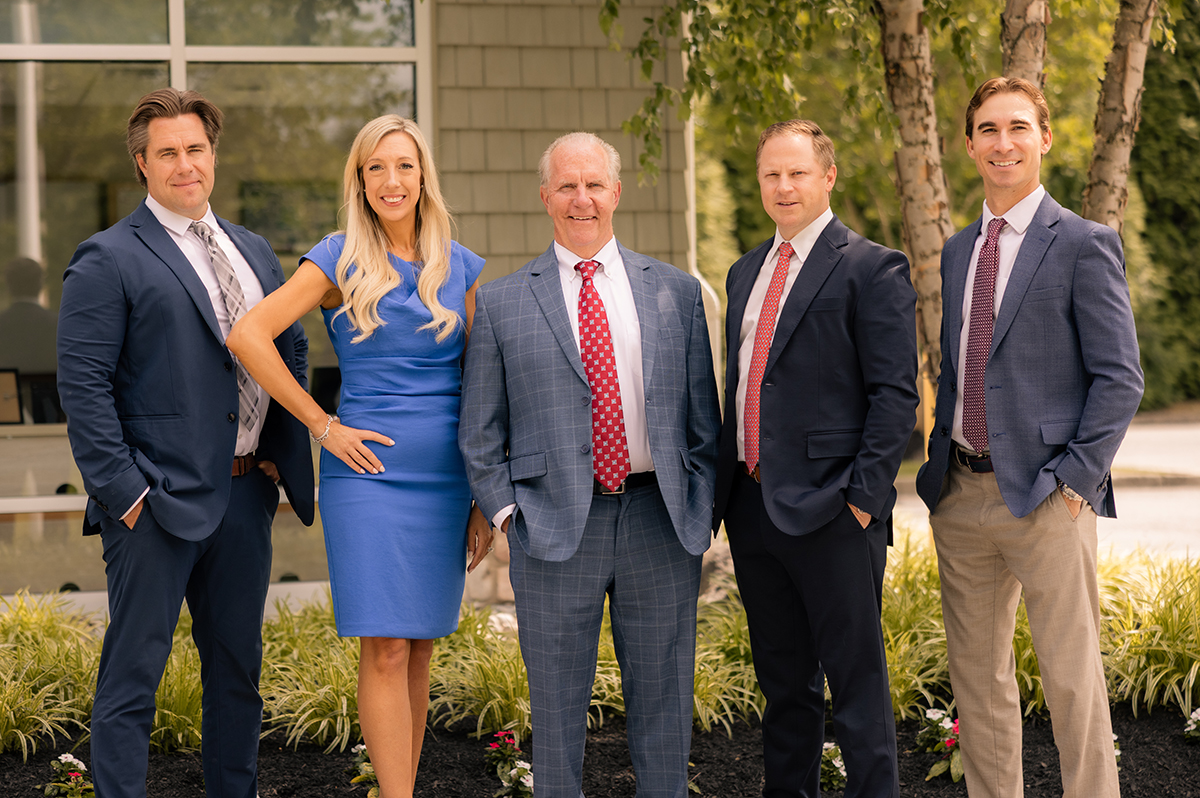
Dan White & Associates was founded in 1987, specializing in retirement and financial planning. We focus on addressing the distinctive financial needs of those nearing retirement and those who have already retired. Today, Dan White & Associates houses five financial professionals between our three offices located in Glen Mills, PA, Middletown, DE, and Lewes, DE. Within our offices, we proudly service over two thousand clients in the region.
Our main priority is getting a clear understanding of each client’s unique situation, by using a comprehensive questionnaire to aid us. Having full knowledge of our client’s situation ensures that we can better inform them about all of the possible financial strategies available to them. Next, we construct a plan together that will give our clients a clear path toward a safe and secure retirement. At our firm, we take a different approach than most advisors by priding ourselves in the educational aspect of retirement planning.
Find out how we can educate you and help make you more confident when it comes to making retirement decisions!