
The Roth Revolution
Imagine a retirement where your income is tax-free, your future tax risks are minimized, and your wealth can be passed on efficiently to your heirs. That could be the promise of a Roth IRA Conversion—if done correctly. But too often, this powerful strategy is misunderstood or poorly timed, resulting in missed opportunities or even unintended tax burdens.
In this guide, we’ll walk you through the why, when, and how of Roth IRA conversions. We’ll break down the mechanics, illustrate the benefits with real-life case studies, and outline the key pitfalls to avoid.


What is a Roth IRA Conversion?
A Roth IRA conversion allows you to take pre-tax money from a Traditional IRA or 401(k) and move it into a Roth IRA. You’ll pay income tax on the converted amount today, but in exchange, your future withdrawals—both principal and growth—are 100% tax-free if you meet the requirements.
The decision to convert isn’t black-and-white. It involves analyzing your current and future tax brackets, cash flow, retirement goals, and estate planning objectives. This is where a thoughtful, customized strategy becomes essential.
Why Roth Conversions Matter More Than Ever
Today’s retirees face a perfect storm:
- Rising federal debt, which increases the likelihood of higher taxes in the future
-
Required Minimum Distributions (RMDs) starting at age 73, which can force you into higher brackets
-
Taxation of Social Security benefits and Medicare surcharges linked to your income level
A well-timed Roth conversion can hedge against future tax hikes, reduce your lifetime RMD exposure, and enhance your retirement income flexibility.


Case Study 1: The Early Retiree Advantage
Meet Bob and Linda, ages 60 and 58. Bob recently retired with a $1.2M Traditional IRA. Their income for the next 5 years will be relatively low, as they delay Social Security and tap a taxable brokerage account.
With proper analysis, their advisor helped them convert $100,000 per year for 5 years while staying in the 22% federal tax bracket. By paying taxes at today’s known rates, they reduced their future RMDs and created a tax-free pool of income for later years.
When Bob hits age 73, his RMDs will be dramatically smaller—lowering their Medicare premiums and reducing tax on Social Security.
✅ Lesson: Converting in low-income years—before Social Security and RMDs kick in—can be a golden window of opportunity.
When Does a Roth Conversion Make Sense?
Roth conversions are most advantageous when:
-
You’re in a lower tax bracket now than you expect to be later
-
You have non-retirement funds available to pay the tax due
-
You want to reduce RMDs and avoid future tax surprises
-
You aim to leave tax-free assets to heirs
-
You expect growth in your IRA investments


Timing is Everything: The Tax Bracket Sweet Spot
The current 22% and 24% brackets are particularly “sweet spots” for many retirees—high enough to convert meaningfully, but low enough to avoid triggering unintended tax consequences.
🎯 Pro Tip: Use bracket analysis to “fill up” your current tax bracket without spilling into the next one.
Case Study 2:
The Widow’s Tax Trap
Mary and John were both 68 and retired comfortably. Sadly, John passed away unexpectedly. As a widow, Mary was pushed into single filer status, where tax brackets are narrower and her RMDs are now taxed more aggressively.
Had they done Roth conversions while filing jointly, they could have paid less in taxes as a couple and better protected Mary’s financial future.
✅ Lesson: Don’t overlook marital filing status. Strategic conversions while both spouses are alive can save tens of thousands in taxes.

Avoiding the Pitfalls: What to Watch Out For
While powerful, Roth conversions aren’t a one-size-fits-all solution. Key risks include:
-
Jumping into a higher tax bracket
-
Triggering Medicare IRMAA surcharges
-
Increasing the taxable portion of Social Security
-
Lack of liquidity to pay taxes due
-
Converting too much too fast
That’s why it’s essential to run the numbers, preferably with a fiduciary advisor who understands comprehensive retirement income planning.
Advanced Strategies to Maximize the Impact
-
Partial Conversions Over Multiple Years
Spread conversions over time to manage bracket creep and optimize outcomes. -
Roth Conversion Ladders
Create a long-term tax diversification strategy that builds tax-free income streams for future needs. -
Conversion During Market Dips
Convert investments after a market downturn to reduce tax liability and capture tax-free growth on the rebound. -
State Tax Considerations
Consider converting before moving to a higher-tax state, or waiting until after a move to a no-income-tax state.

Case Study 3:
The Business
Sale Windfall
David, age 62, sold his business and received a $1M lump sum. This elevated his taxable income and eliminated any chance of a cost-effective Roth conversion that year.
However, his advisor crafted a plan to delay conversions until the next year, once his income dropped. They began a 10-year Roth conversion plan to offset RMDs and minimize future tax exposure.
✅ Lesson: Align your Roth strategy with other income events to avoid conversion at peak tax years.
Legacy Planning:
The Roth Gift to Your Heirs
With the elimination of the Stretch IRA, heirs must deplete inherited IRAs within 10 years. This can spike their tax burden—especially if they’re in their peak earning years.
By converting to a Roth now, you give your heirs 10 years of tax-free growth and tax-free distributions. It’s one of the legacy tools available today.

Your Retirement Partner
Trusted Since 1987
Next Step: Customized Roth IRA Conversion Analysis
Every retirement plan is unique. Your income, assets, legacy goals, and risk tolerance all impact the decision. At Dan White & Associates, we use detailed software, tax projections, and retirement income modeling to deliver a personalized Roth conversion roadmap.
We look at:
-
Current vs. projected future tax brackets
-
Available cash flow to pay taxes
-
Social Security timing and impact
-
Medicare thresholds
-
Estate planning considerations
You don’t need to navigate this alone. We’re here to help you make a confident, informed decision.
The Roth IRA conversion strategy is one of the most underutilized retirement planning tools available. And with taxes set to rise in 2026, the clock is ticking.
If you want to explore how a Roth conversion could enhance your retirement plan, schedule your complimentary Roth IRA Conversion Analysis today.
Let’s take the guesswork out of it—and create a strategy that turns your retirement into a tax-free legacy.
📞 Call us today at 610-358-8942 or schedule your complimentary consultation below!
About DWA
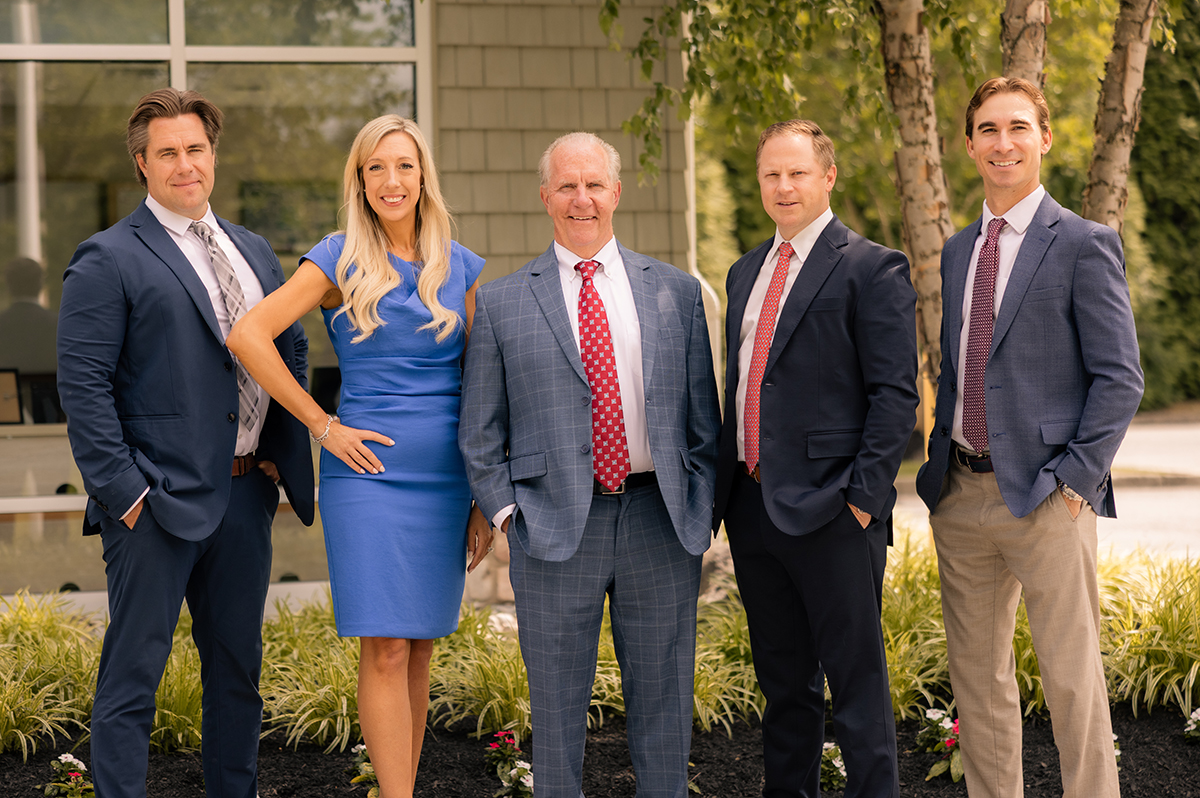
Dan White & Associates was founded in 1987, specializing in retirement and financial planning. We focus on addressing the distinctive financial needs of those nearing retirement and those who have already retired. Today, Dan White & Associates houses five financial professionals between our three offices located in Glen Mills, PA, Middletown, DE, and Lewes, DE. Within our offices, we proudly service over two thousand clients in the region.
Our main priority is getting a clear understanding of each client’s unique situation, by using a comprehensive questionnaire to aid us. Having full knowledge of our client’s situation ensures that we can better inform them about all of the possible financial strategies available to them. Next, we construct a plan together that will give our clients a clear path toward a safe and secure retirement. At our firm, we take a different approach than most advisors by priding ourselves in the educational aspect of retirement planning.
Find out how we can educate you and help make you more confident when it comes to making retirement decisions!